Morocco, Pt 1: Arrival, Tangier, Tetouan, Chefchaouen
INTRODUCTION
Here’s a question that makes me shudder:
“So, what do you know about Morocco?”
I used to believe that you should do your research before you visit a country — like, out of respect. So in the car after landing in Morocco, my AirBnB host asked me this question, and I got a cold sweat as I started listing all the Morocco-related words I knew (‘uh, I love Gnawa!’). I wasn’t trying to posture; I was trying to show respect: I’m here for a reason, not to take advantage of your cheap prices and just gallivant around.
But that first part isn’t true. I’m not here for a reason.
In April, I saw a picture of a blue wall on Instagram. That’s why I’m here. I never thought of Morocco, never considered going; but I saw that blue wall and it just never left my mind. And the more I thought about Morocco, or read about it, the warmer that feeling became.
So here I am.
And I know nothing. I don’t know why I’m here. I don’t have a purpose, besides wanting stimulation: to be in a place where all my senses are engaged, where I’m seeing, hearing, smelling things I’ve never experienced before.
But I also realized something else: it’s ok to come and know nothing. So if someone asked me that question again, I’d answer with:
“I know nothing about Morocco, that’s why I’m here!”
And to me, a mild curiosity is a perfectly valid ticket into a country.
So as it stands, you know as much as I do. But by the end, we’ll both know a whole lot more, for better or for worse.
Inshallah.
***
PLANE
Well, it’s here. I’m here. The thing I’ve been talking about doing since mid-April is now here, at the start of September.
In June, I quit my job. I put in my notice and I was out. I had no plan, nothing scheduled. I had a good amount of savings and a very healthy desire for freedom and inspiration, plus a faint interest in photography. I knew I’d go to Morocco, but I didn’t know when.
My only plan was that I’d be here for a month, and then France to meet my family for ten days. Then, maybe, hopefully the next step would become clear. I didn’t even know if I’d come back to New York.
It’s morning and I see Africa out my window. It’s brown and mountainous. I’m in the aisle seat so I can’t see much.
I’m coming to document. That’s the goal for this trip, and possibly even this next phase of life. Or I think it is, unless this trip throws a wrench and gets in my veins and tells me to be a carpenter, which I accept, too.
What’s next all remains a mystery, including where I’ll be sleeping in five nights. That’s ok, I guess. I made a deal with the Universe and I’m doing my best to honor it: to accept, with glee, whatever comes.
***
TANGIER
I always judge my experience based off the first interaction. Do they embrace me, or spit me out? When I first arrived in Rome, years back, an old woman was sitting at her window. I smiled and waved, and she very aggressively stuck her tongue out and gave me this poisonous look. Rome sucked.
Thus far, upon day one, Morocco feels welcoming. Sort of.
I learned a bunch already in the taxi pickup. I was given a small espresso that was 70% sugar. People eat lamb a lot for dinner. Tesla has a factory here, which I’ve heard provides most of the jobs. You can swim in the Mediterranean. And last, but certainly not least, I could take a tour with my driver the next day for $40 through the vaunted, labyrinthine medina. “GPS won’t work in the market,” he said, “I will be your GPS.”
I took a stroll that evening. Tangier sits at the very tip of Africa, where the Atlantic meets the Mediterranean. The people speak French, Spanish, and Arabic (Dirija). The medina is clean, mostly white. I’d never seen anything like it: small, twisting alleyways, each shop being about the size of a walk-in closet.
Outside were long stretches of tables along the sidewalks, all men—tables of one or two, drinking mint tea or a small, milky coffee. They either talked or stared solemnly.
Tangier had a warmth to it, and though it was my first day, I felt comfortable here, embraced.
I walked out of the medina and could see the sea. There’s a marina with hundreds of small fishing boats. The sky is purple and orange. The bright red flag with its vibrant green star flutters above me. It hits me, as it does when my mind eventually “arrives” in a foreign country: Wow, I’m here. I’m actually in Morocco. I then pose the question quietly to myself, to the universe: Why am I here? What brought me here? Of course that answer never just appears, but rather it arrives. Eventually.
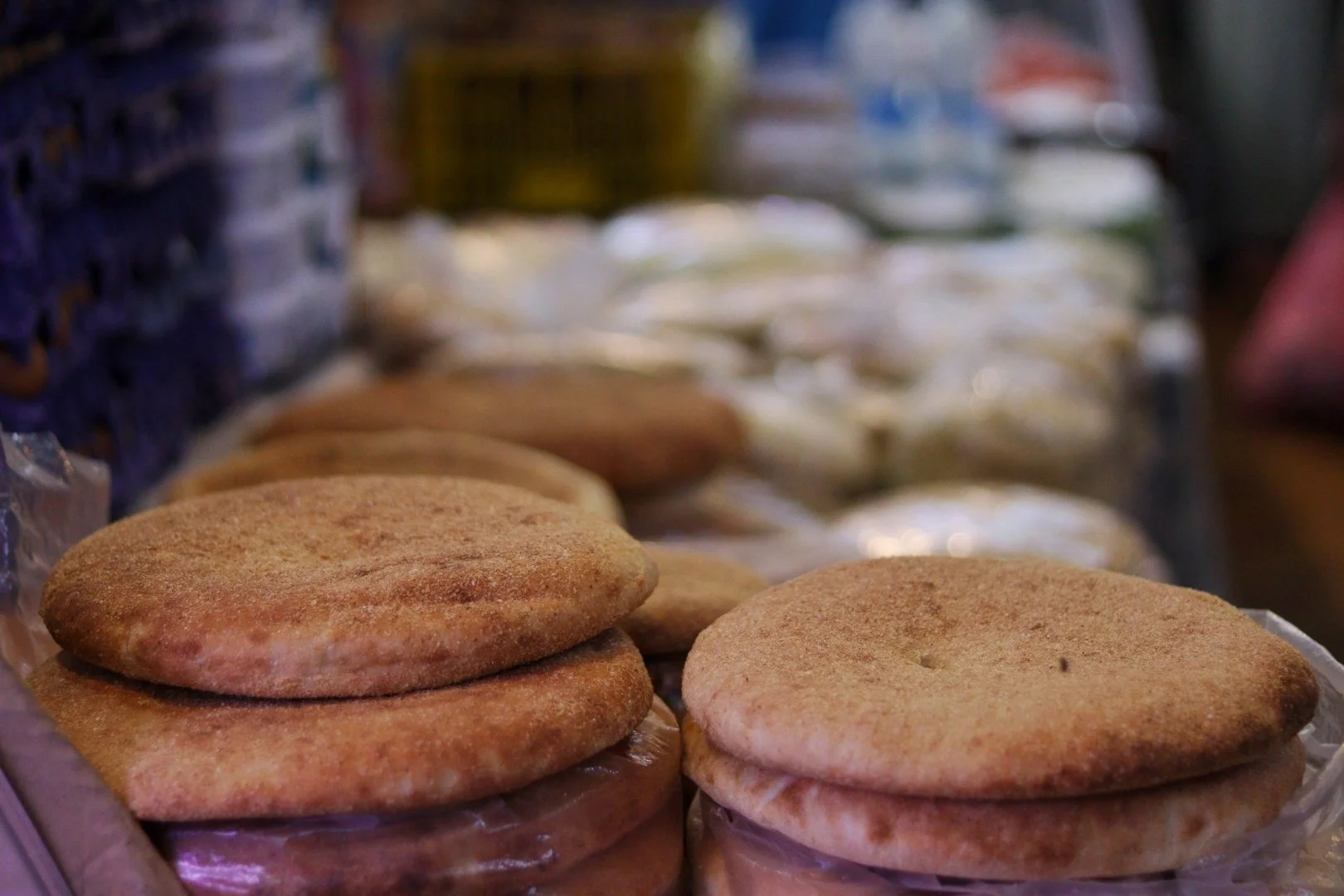
I strolled the promenade, where people laid on towels along a steep hill as the sun set. Cats are everywhere. People are fishing. It’s calm, hushed. That night after dinner I followed the smell of fresh bread. I found an open-air bakery pumping out khobz, traditional Moroccan flatbread. I only have big bills. “This is from me,” the man said, smiling and handing me a warm loaf. “Welcome to Morocco.”
At night, though, is when the place comes alive. I laid in my guesthouse as the closed window couldn’t keep out the noise. Kids sandals were slapping the stone floors until 1am. There’s scooters honking, men shouting, errant soccer balls smacking the walls. I fall asleep, and before I know it, the sonorous sound of prayer makes it through my window and past my ear plugs to wake me up at 6am.
Yes. Welcome to Morocco.
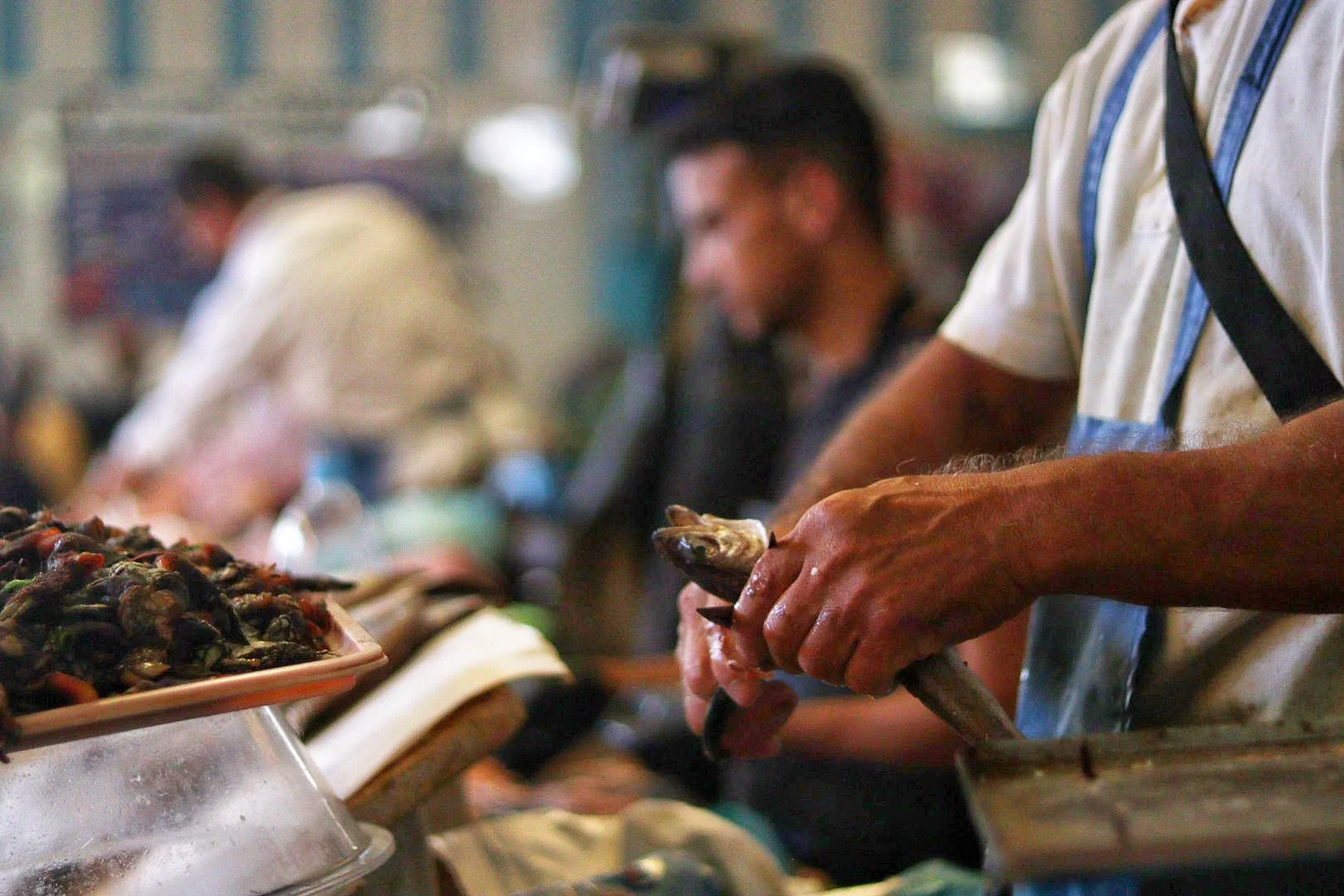
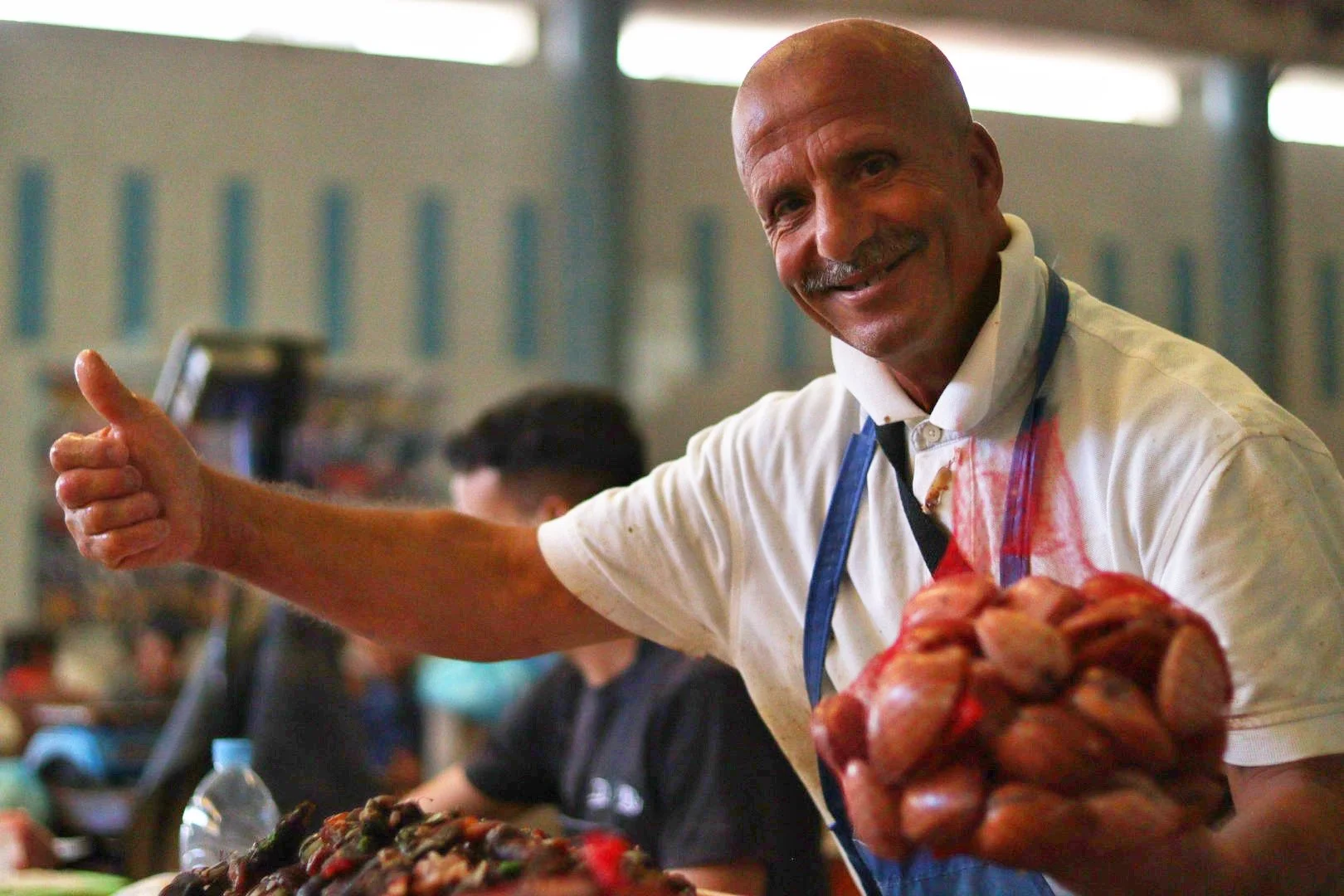
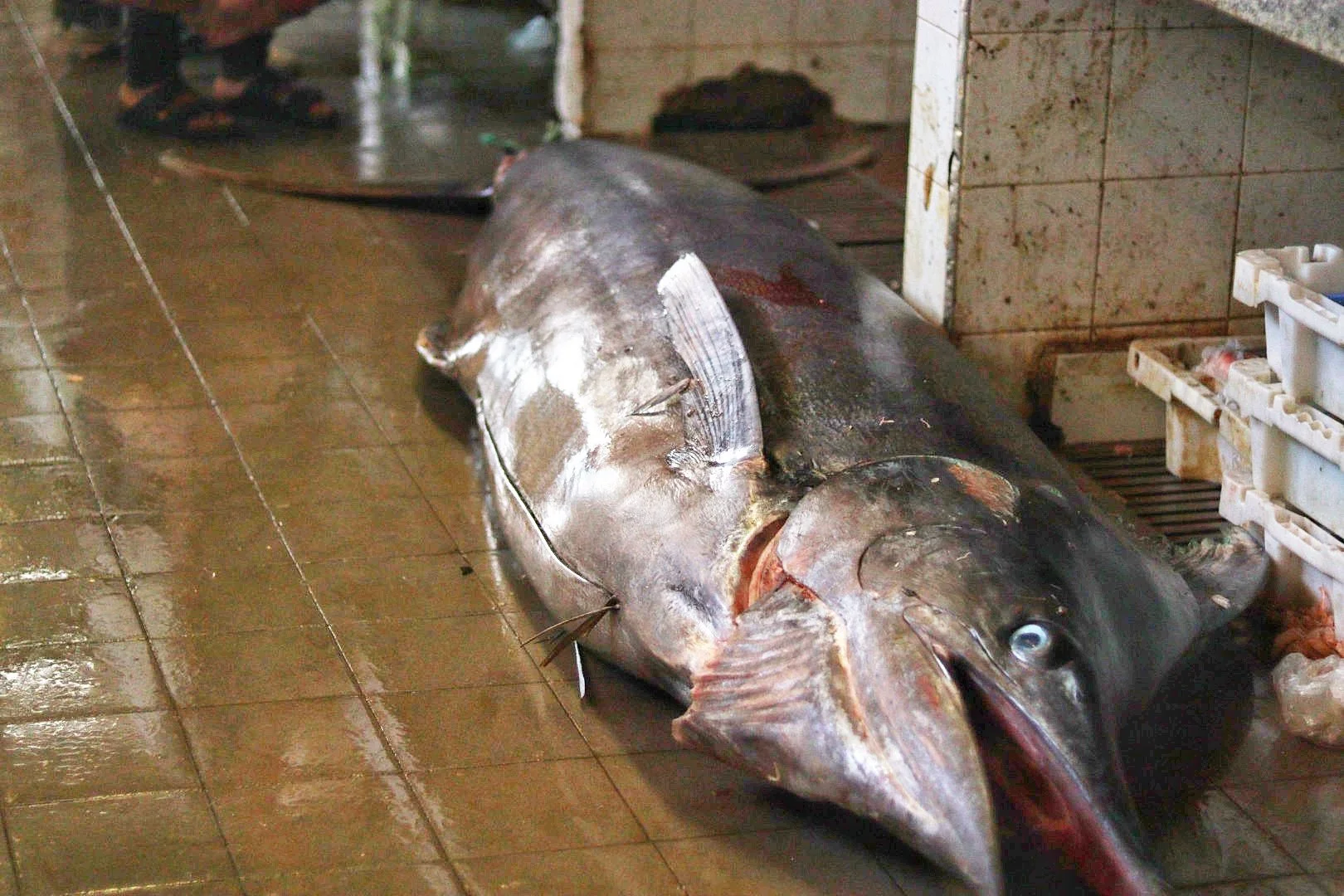
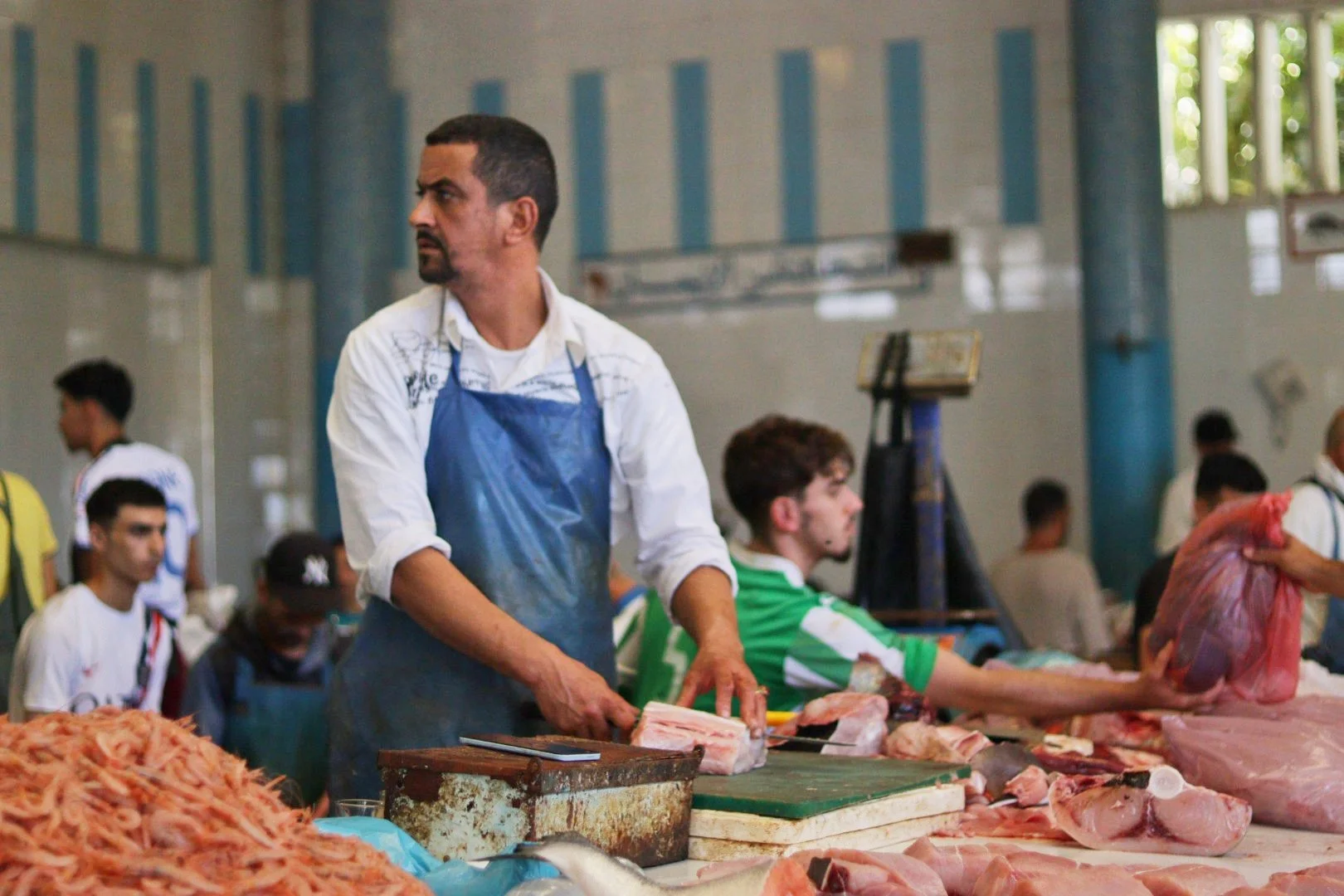
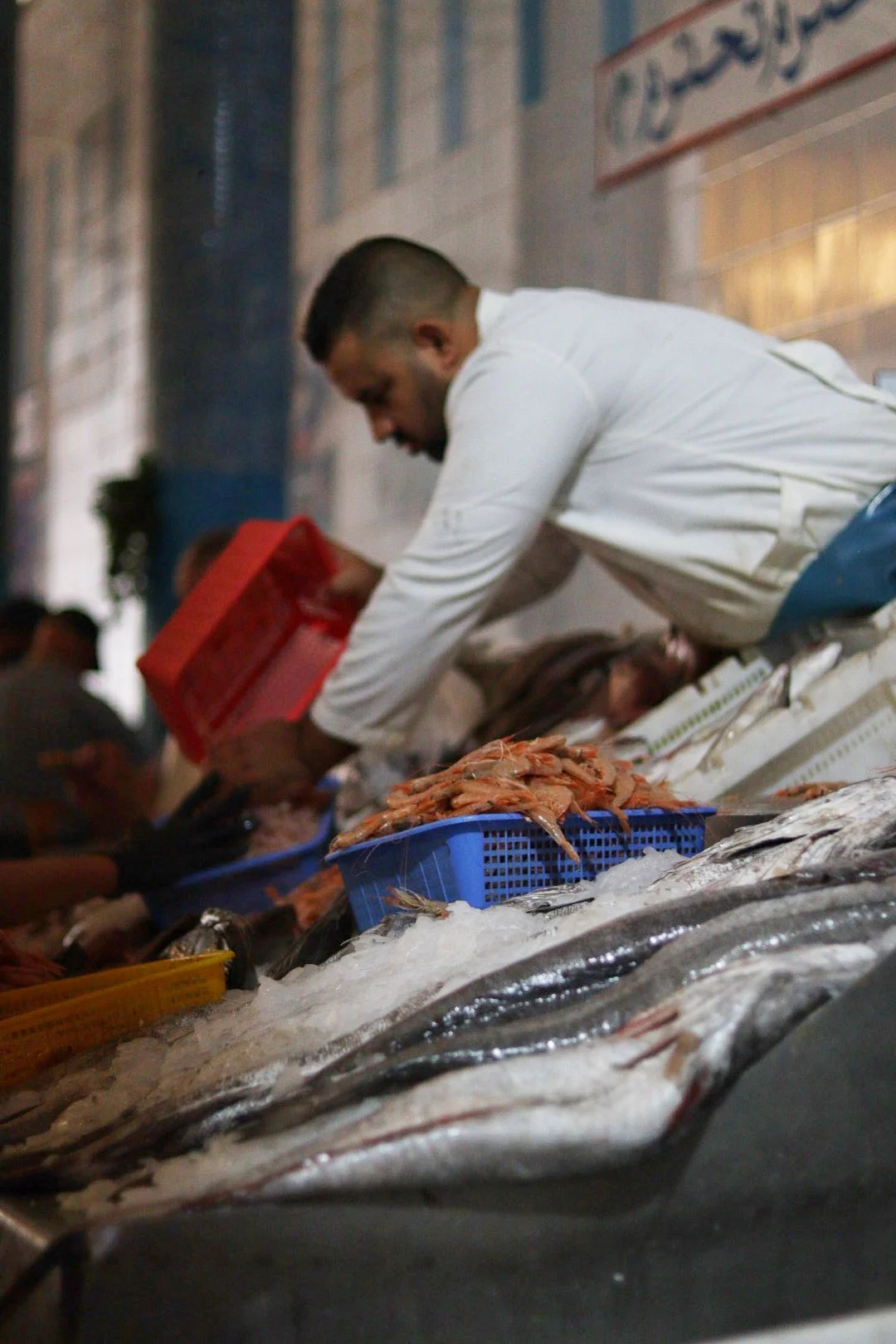
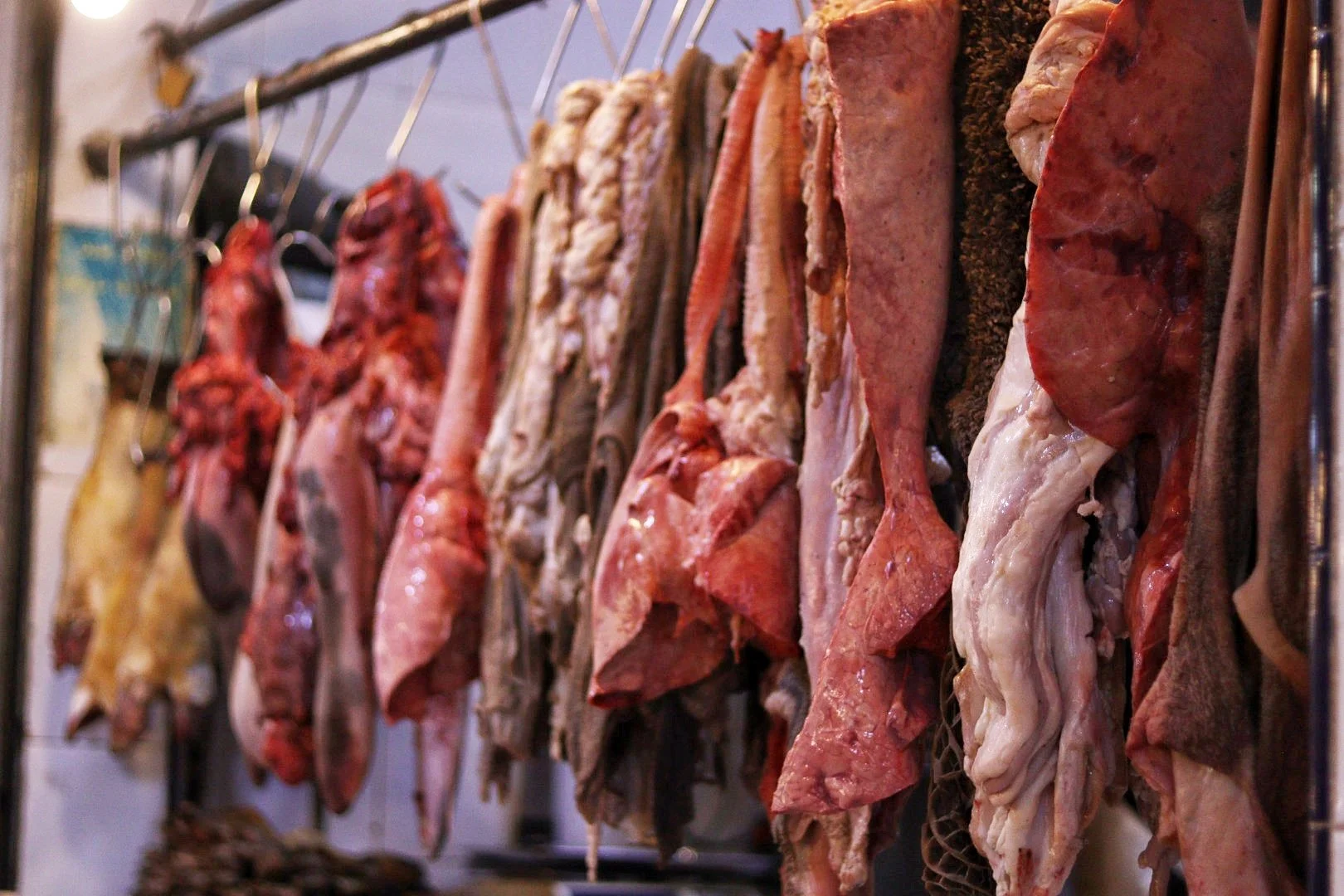
[pictured]: One of my first days, I stumbled upon a fish market. It was everything under the sea: octopuses, sharks, swordfish, eels, you name it. Guts all over the ground, haggling, etc. And the people were open to being photographed!
Before trips, I reach out to the Facebook expat group and see if anyone wants to meet. The second I hit the tarmac, I got a message from a man named Hassan. He’s half-British, half-Moroccan, speaks Dirija and he’s about my age. And we met my second night for dinner.
I had a thought earlier that day that I wanted to share with him: Why are people in some countries predominantly nice, and others predominantly mean?
“Here’s my take,” he says in a heavy British accent. “In Morocco, it’s 50/50. Fifty percent of people are the nicest ones you’ll ever meet. And the other fifty I feel are trying to get something off you.”
Hassan moved to Tangier about a year ago. He’d lived mostly in Emirates before. He was raised in England by Moroccan parents. He worked in big tech for awhile, then launched his own business. Now he is creating a new company. He lives alone in a giant, beautiful apartment just outside the city.
“You see, the people can be quite calculating, and they’re damn good at it,” Hassan continued. “They’ll play the long game. You’ll be friends for a year, maybe even five years, and then you’ll get the big ask.”
Given it was my second night, I found this quite dispiriting. I also take it with a grain of salt — many ex-pats can become easily jaded. Also, Hassan had spent a good part of the night telling me about the many times he got screwed in his businesses, so I sensed he had general trust issues, too.
We ordered couscous for dinner, it was my first one. It was delicious, but three pounds of food too much for me. We walked out and said goodbye, and stomach-wise, I felt horrible.
As I entered the medina, I had trouble finding my place. The alleyways were dark and shadowy. A young Moroccan man asked where I was from. I ignored him. He caught up with me. He said he can show me back, no problem. My Google Maps wasn’t working, I was lost, my stomach felt inflated, so I said ok. As we walked, he made small talk, asking where I’m from, why I’m visiting. He tells me I look Moroccan. It took about five minutes for him to lead me back, tops. “I’ll take 200 dirhams, but 100 is okay too,” he said (200 dirhams is about $20).
“Uh, I can give you 20 dirhams,” I said back.
“Come on. I showed you home. I have a son. I helped you out. I need this,” he said. I gave him 50 dirhams and walked away.
The next day, I was thinking of Hassan’s take on the people here. Was he jaded? Salty? Biased? Of course, it’s just one person’s experience. But maybe it was true.
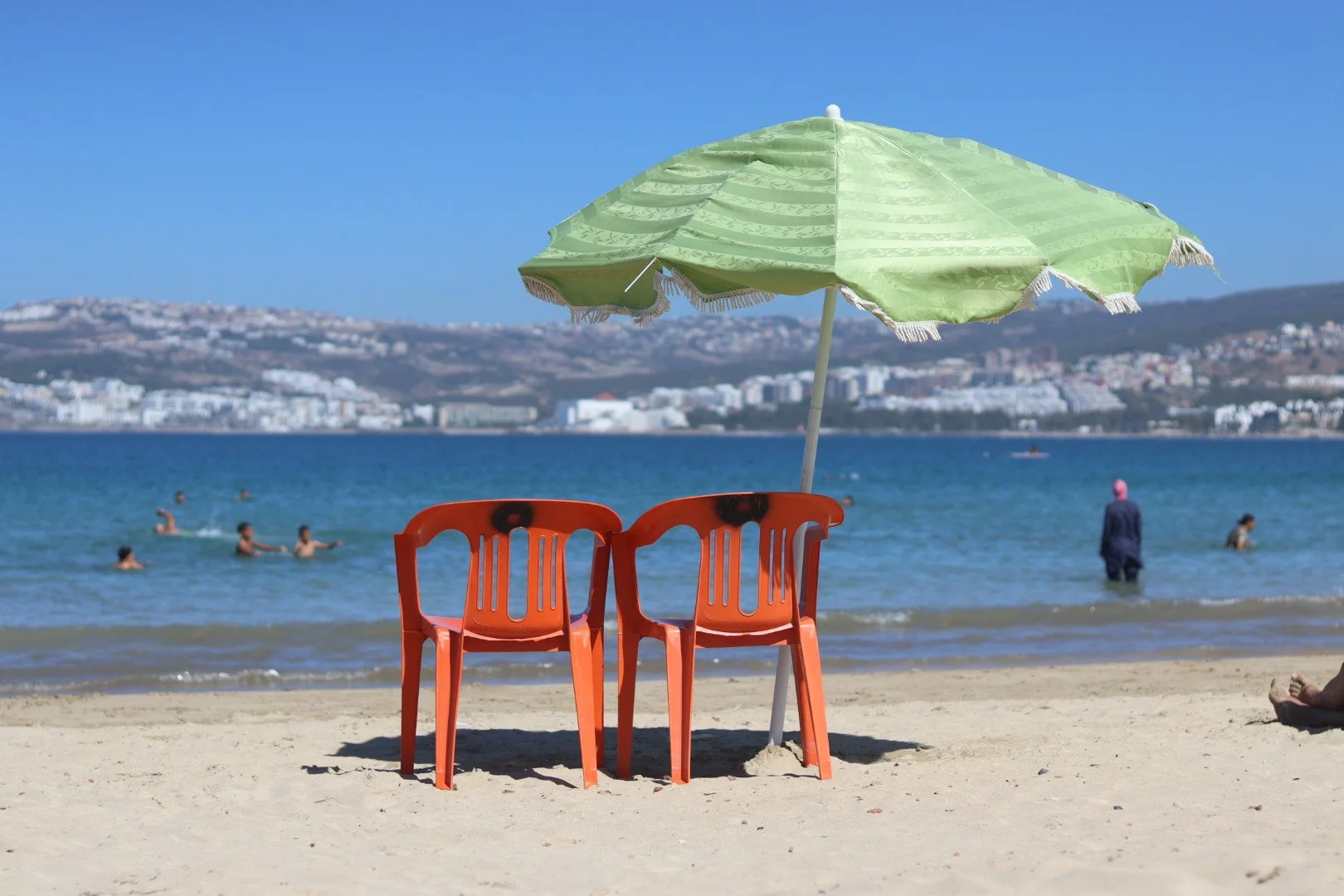
Earlier that day, I wanted to go to the beach, but I didn’t pack swim shorts. I stopped into a three-story mall to find some. I walked to the top floor and saw a man with a tight black shirt, arms crossed. He was standing outside a store, so I assumed he was security. I asked if he spoke English, and where I could buy swim shorts. There were people sitting next to him, he told them he’d be back.
He walked me down three flights of escalators and we went into the grocery store. He asked an employee, but they didn’t sell them. We went up a floor and he asked a woman at a kiosk, no dice. He walked me outside and he said I’d have a good chance if I went to the stores by the sea. We were chatting for a bit, and I asked if he had to get back to work.
“Huh? I’m with my family,” he said.
“What?! I thought you were security, the way you were standing!”
“No no, I am just here shopping with my family,” he said laughing.
We were gone a good 30 minutes, it was insane. His name was Amine, he works in Belgium as a designer and part-time personal trainer (hence the muscles and tight black shirt), which is why I mistook him for a security guard. I thanked him profusely. He was asking me questions and getting to know me. As we talked, though, I kept silently wondering if he was going to ask for money.
“Here, take my number,” he said. “If you need anything in Morocco, anything at all, just call me. And if you’re in Casablanca, call me and we’ll get coffee.”
TETOUAN
Let the diarrhea begin.
Sorry, but yeah. You might’ve heard about food issues in Morocco for foreigners, but here’s what I’ve learned: Food in Morocco can carry bacteria that I’ve never been exposed to. Plus, it’s a hot country, and many places don’t refrigerate meat (I’d heard they buy it fresh the morning of, and that freshness can mean it’s even better quality than that of American grocery stores, but still). I’m also sensing this subtle disdain for tourists in many interactions, but it’s hard to put my finger on it.
Well, the night before was rough. I felt bloated as hell after that couscous. And at 1am, I woke up with explosive diarrhea.
The next morning I was set to go to Tetouan. I couldn’t keep anything down, not even toast. I crawled onto the bus, then swayed in my seat as I went in and out of delirious naps. I got to my guesthouse and collapsed into rest.
I came to Tetouan because I wanted something less touristy. It’s one of those places that, when you tell people you’re going, they go, “But why would you go there?” Sometimes those people are right, and other times, that’s exactly how you know you’re going to the right place.
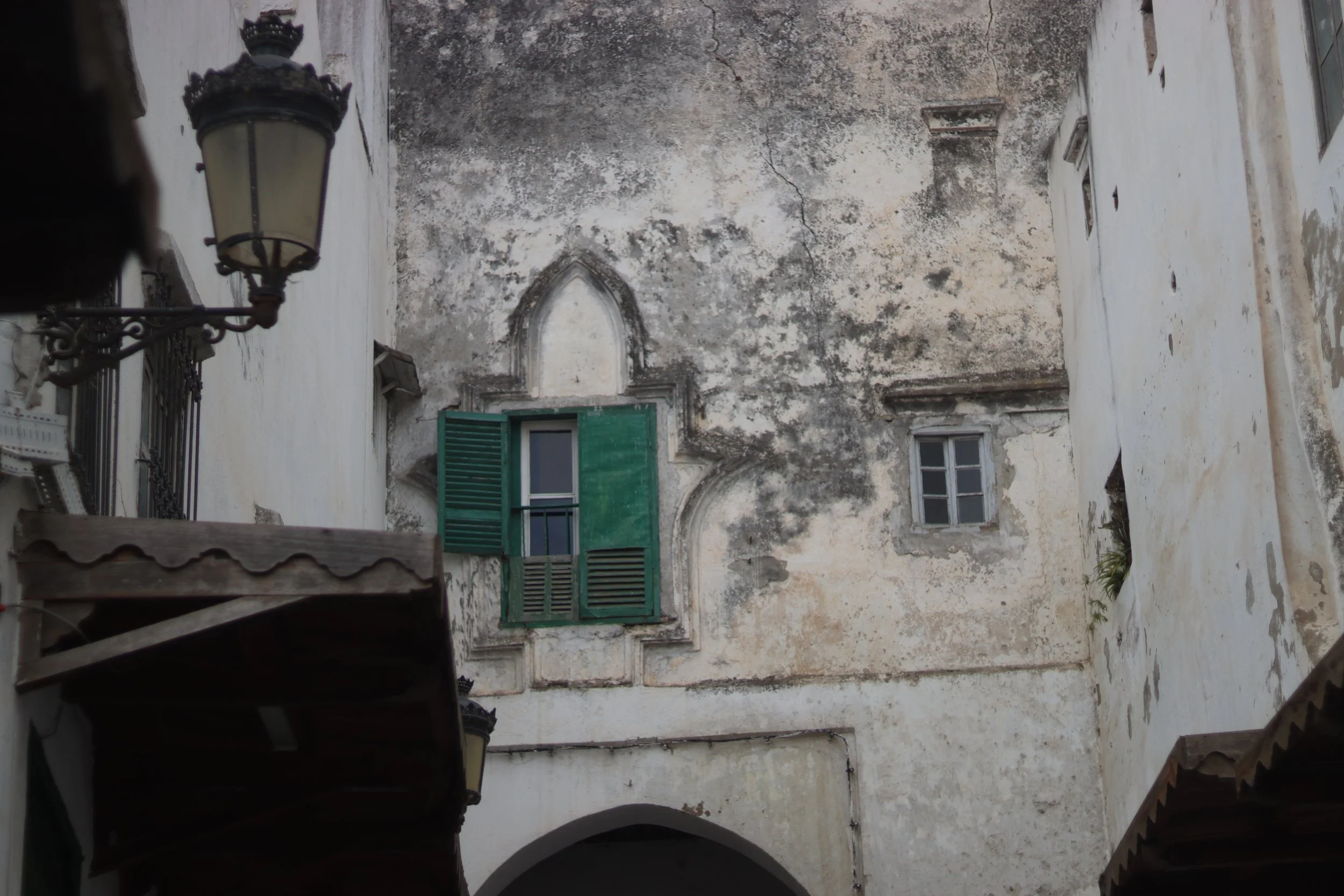
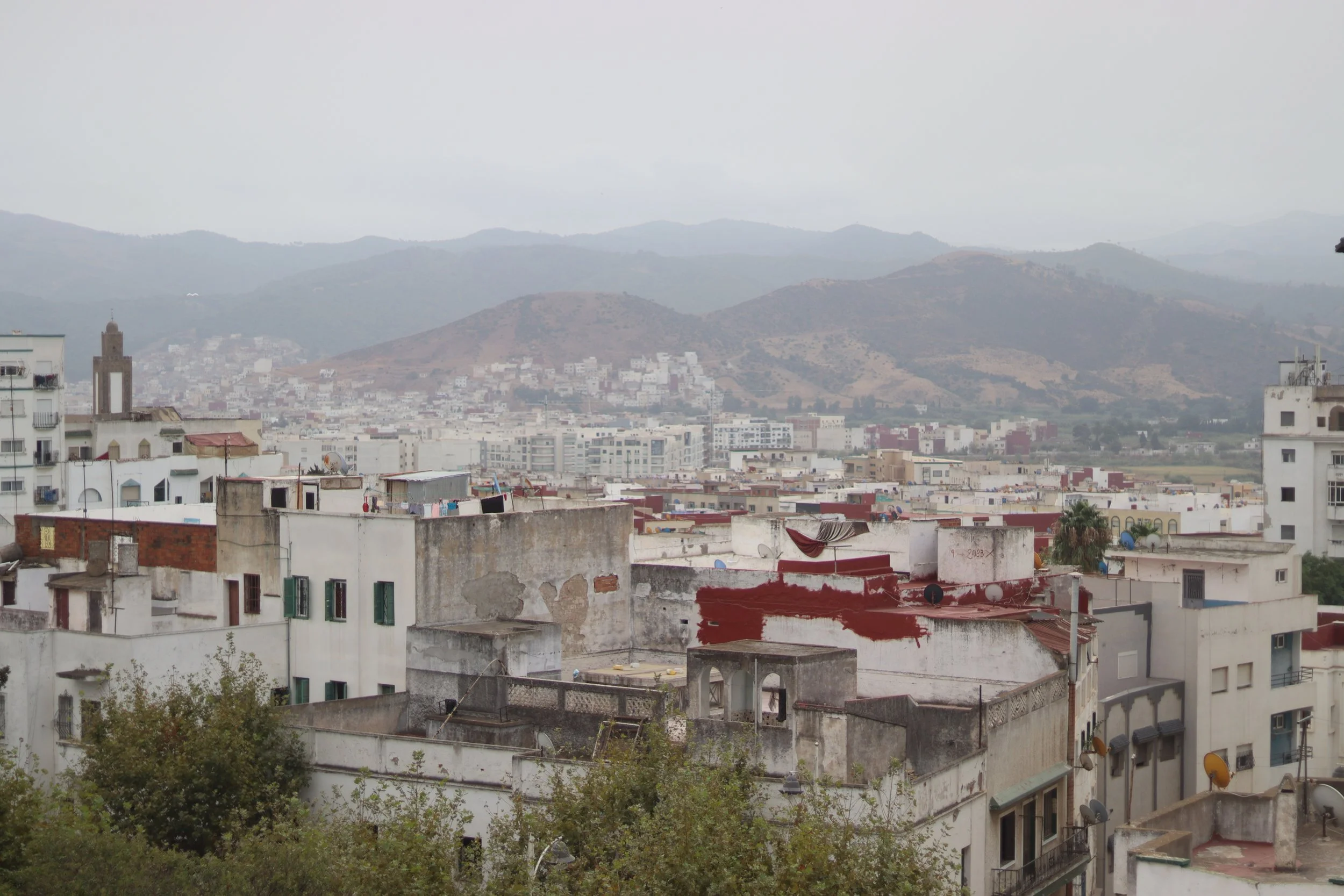
I woke up at golden hour and discovered a marvelous little city. Just south of Tangier, it carries that same Spanish influence and white Andalusian flair. It’s surrounded by mountains, plus it’s near the sea. As I turned the corner, I saw a tiny street with a rustic mosque at the end, with a giant green mountain behind it. And best of all, I didn’t hear a word of English around me.
I was staying in a large, ornate guesthouse: Rugs, pottery, tchotchkes, lamps everywhere. Everything was red, gold, or black. It had two rooms, the other was occupied by a Swiss couple.
I walked the town for about twenty minutes, just enough to stretch my legs and catch some fresh air.
On my way home, I went to the grocery store to stock up on “sick food”: crackers, water, broth, etc. It was the least successful grocery trip I’ve ever had. About 40% of the store was various cookies. Another 40% were cleaning products. In the back was the saddest, grimmest deli counter I’d ever seen, they didn’t even have someone manning it. I came out with four yogurts, two waters, and three types of cookies. I watched the one English channel I had on my TV and promptly fell asleep.
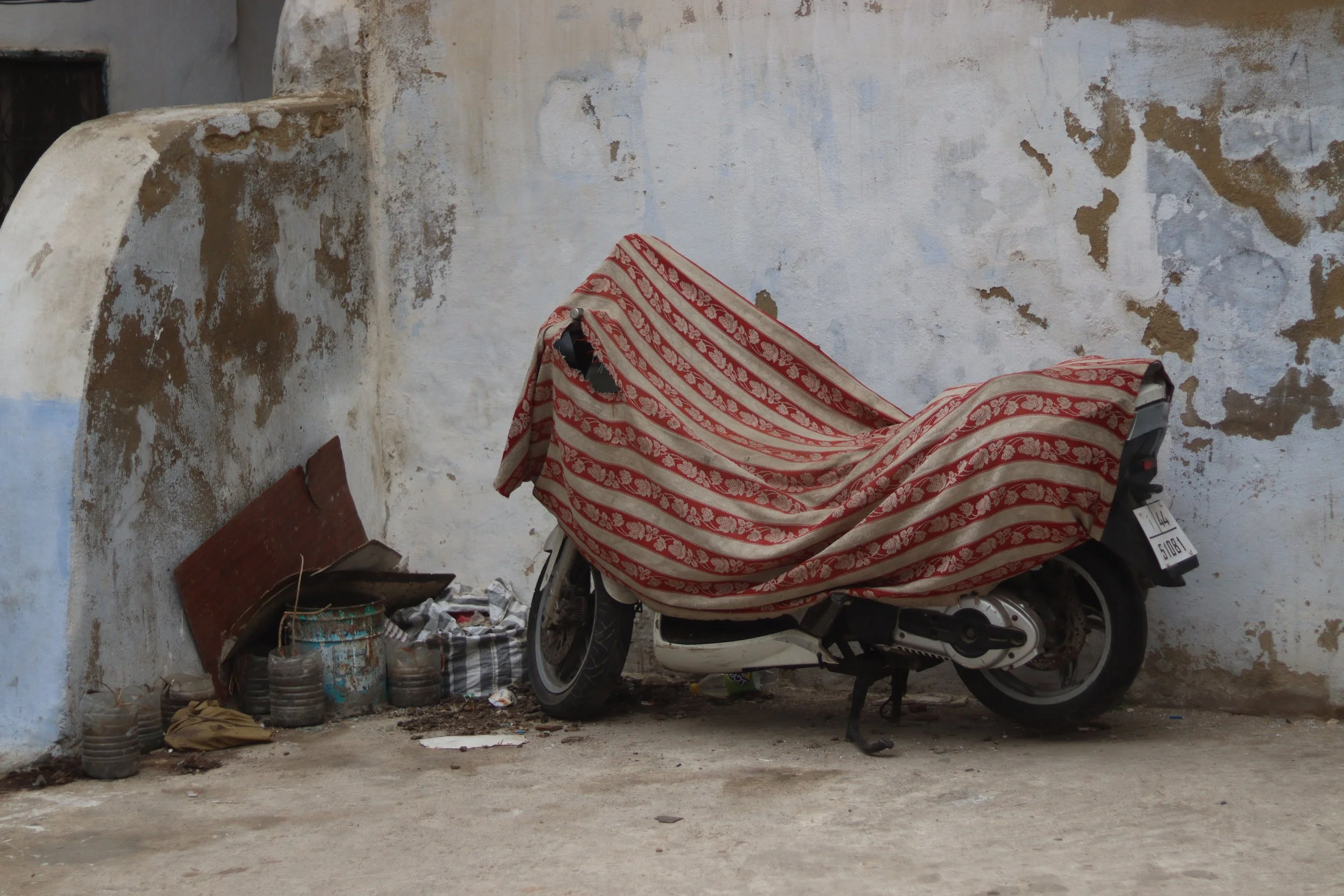
When I woke up, breakfast was at the table, along with my two housemates.
I didn’t know if they wanted to talk. I didn’t even know if they spoke English. I sat down and introduced myself, and they chatted back.
“We’re driving from the north of Africa, all the way to the south,” the woman said with a heavy French accent, matter-of-factly. “We are in search of a non-touristic town.”
Upon hearing this, even though I was still fuzzy and delirious, I lit up. It was day five. I hadn’t really talked to anyone yet in my trip, aside from Hassan. I was craving nourishment, intellectual conversation, feeling the pressure to go out and find it, and here it was, right outside my bedroom.
Their names were Pauline and Antoine. I’d have to guess they were in their late 50s, judging by each having a full head of grey hair. They both took a year off work to do this journey—she’s an administrator, he’s a social worker. Antoine had grey hair pulled into a bun. He was wearing a tank top and several bracelets. They’d been together for 35 years and have been to almost every country in the world, except the US. “I’d like to visit Maine,” Antoine said.
Pauline was the only one who spoke English, so she did most of the talking.
“Traveling is just so different now than it was before,” she told me. “Before Google Maps, you had to ask people where to go. Then you’d be talking to them. They’d invite you in for coffee, talk to you, get to know you. But with phones, we’re all disconnected.”
“Now, no one even talks to each other,” she continued. “We stay at guesthouses, and people just ignore us, or they stay on their phones the whole time. You are uncommon!” She laughed. “You asked our names, you talked. No one does that.”
I even admitted I was nervous to talk to them. They were a couple, and sometimes couples want privacy—or maybe they didn’t speak English. But I had to try, I told her, as conversation can be so rewarding.
I told them I had similar experiences as them. Two nights ago, I sat next to a fellow solo traveler at a restaurant and I got nothing back in conversation. “You can’t expect conversation, I guess,” I said to them. “But it’s nice when that’s just an exception, and not the norm.”
I loved their journey, though, their sense of purpose. They were on a quest, my favorite type of adventure. It felt so Beatnik. And I asked, why they were doing it? What was their issue with touristed towns?
“Everything now looks the same,” Antoine said, Pauline translating. “You see a city and a culture change itself, just so it can fit the tourists.”
“We want to see how people really live their lives,” Pauline said. “Now, you visit a place and you see streets dedicated to all tourists. It has umbrellas and trinkets and gifts.” In other words, I thought, cities are delivering the version of themselves that the tourists want to see.
“Everything is easy now,” she told me. “You don’t need to think about anything. Before, you had no ATMs. You had to bring the right amount of cash from back home. Back then, you were gone, and no one knew where you were. You had to find a phone to let someone know where you were. You had no GPS, no smart phones. I don’t want to depress you though,” she said, laughing again. “It’s just different for us, because we saw the world before it became like this.”
I understood where they were coming from. I’m not as put off as they are, but I still have a stink. I, like them, want to see a place that’s real—where people aren’t trying or performing; where you can genuinely learn and connect with another culture; not where it’s turned into some packaged, sterilized, commodified version of itself.
I wasn’t depressed though. Actually, I was thrilled I met them. They had soul. They were doing this journey only for themselves, to experience something authentic. They weren’t blogging or vlogging about it, they were just doing it.
Nothing makes me feel so nourished.
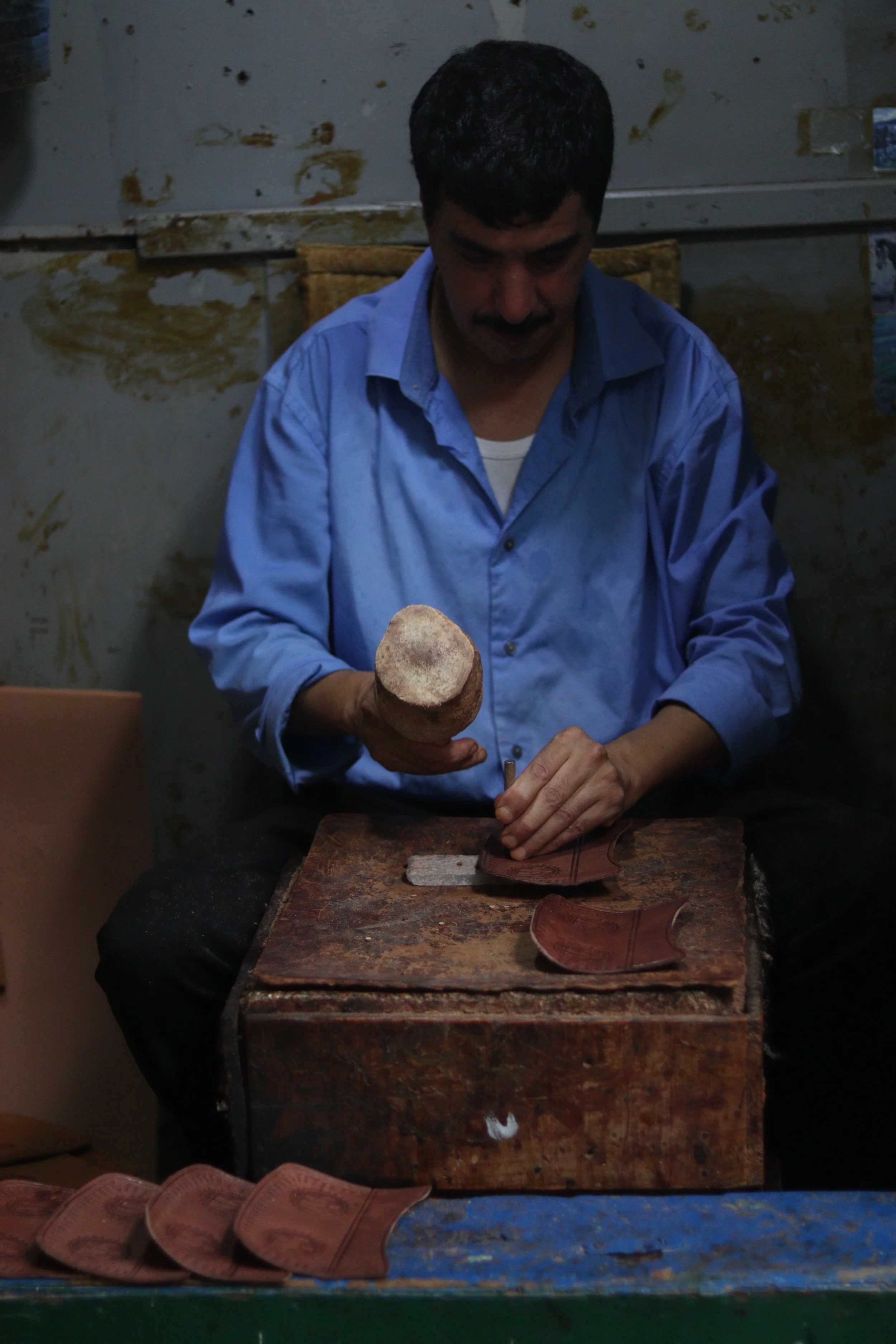
My first time walking in Tetouan’s medina. This man was kind enough to let me photograph him.
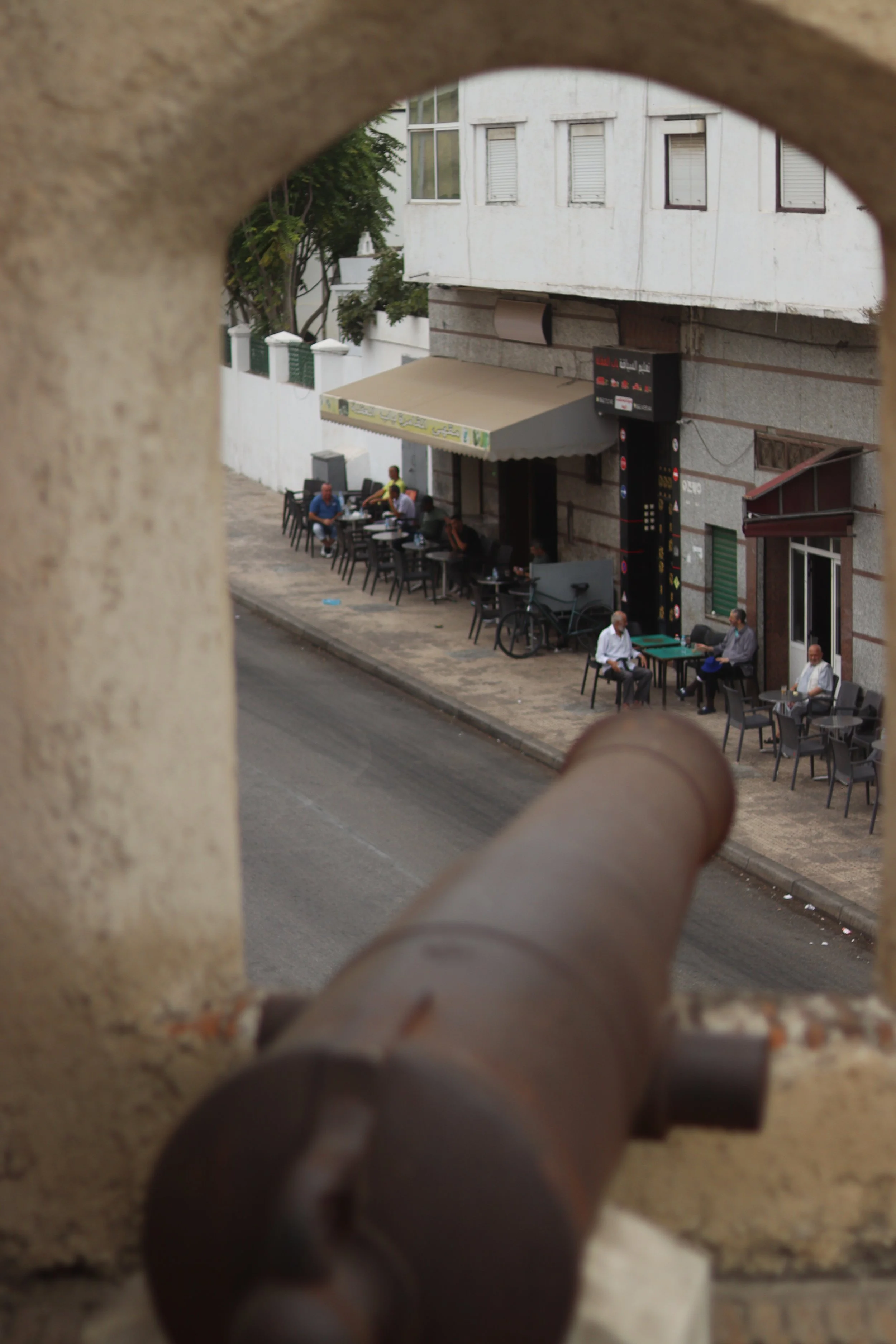
Morocco could be the most sober place on earth.
This is what I thought as I walked through endless tables of men, only men, drinking mint tea. Morocco is a Muslim country, so most don’t drink alcohol. There’s nary a bar, save for hotels in bigger cities. I feel the alcohol seep out of me every day, bit by bit; totally cleansed by sun, sobriety, and diarrhea.
Moreover, the people seem to stay out all night, going off tea, cookies, and vibes. Not a sip of alcohol. Maybe hash, I learned. They export a ton from here. But otherwise, just good, clean, wholesome fun, keeping those livers clean and pristine.
It was my last night in Tetouan. I finished dinner and my first instinct was to rush home. I had to help a friend with something, and I told another friend I’d call her. I was pushed for time. But something told me to go for a walk.
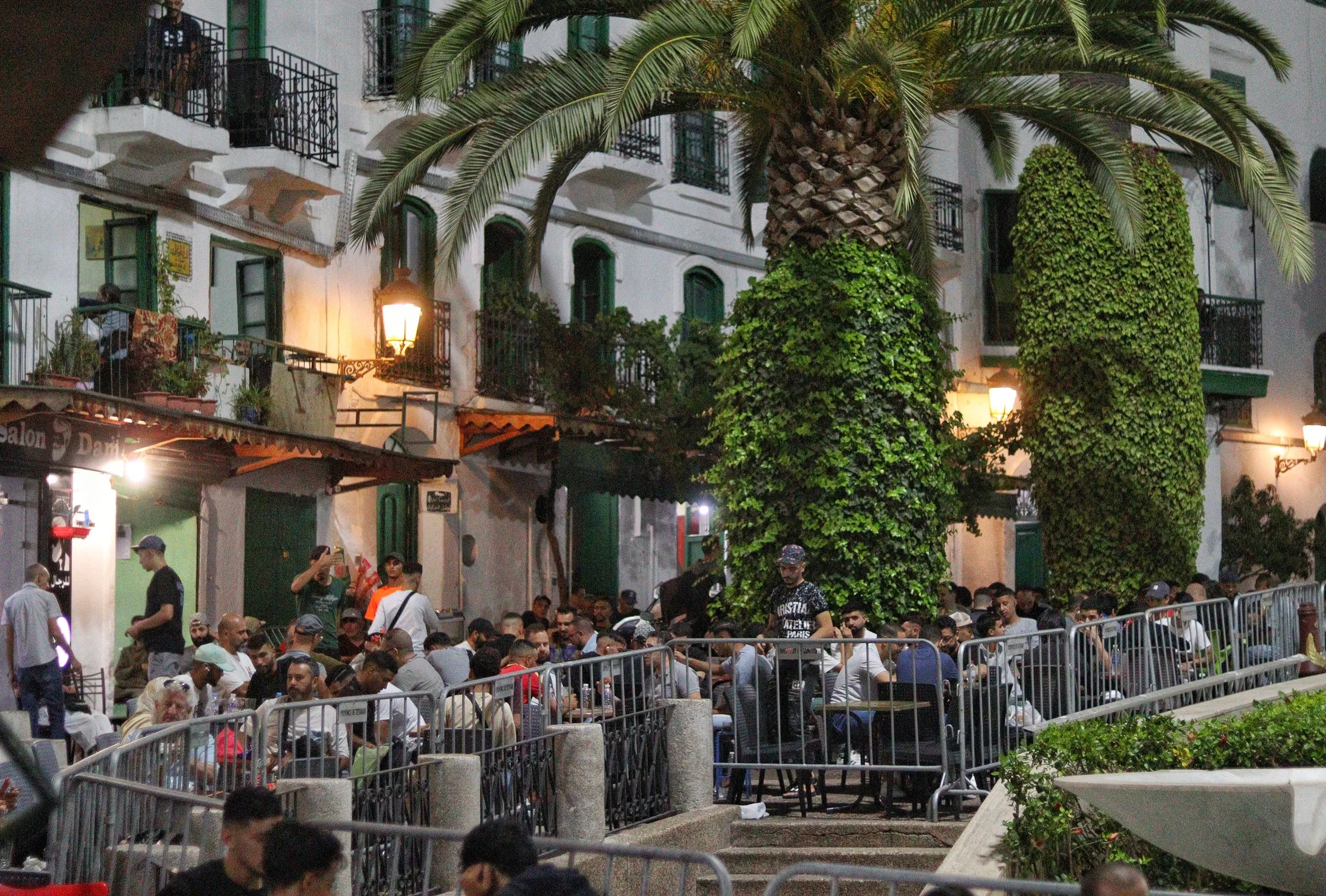
So I did. That same impulse told me to go straight, then turn left. When I did, I walked through tables and tables of men, all men, playing this board game, lit beautifully under the full moon, all surrounding the courtyard of the beautiful Royal Palace.
I watched and admired, but then, that same impulse told me to get my camera.
I never shoot at night, and I had those other things to do. But the impulse was so strong, so I went.
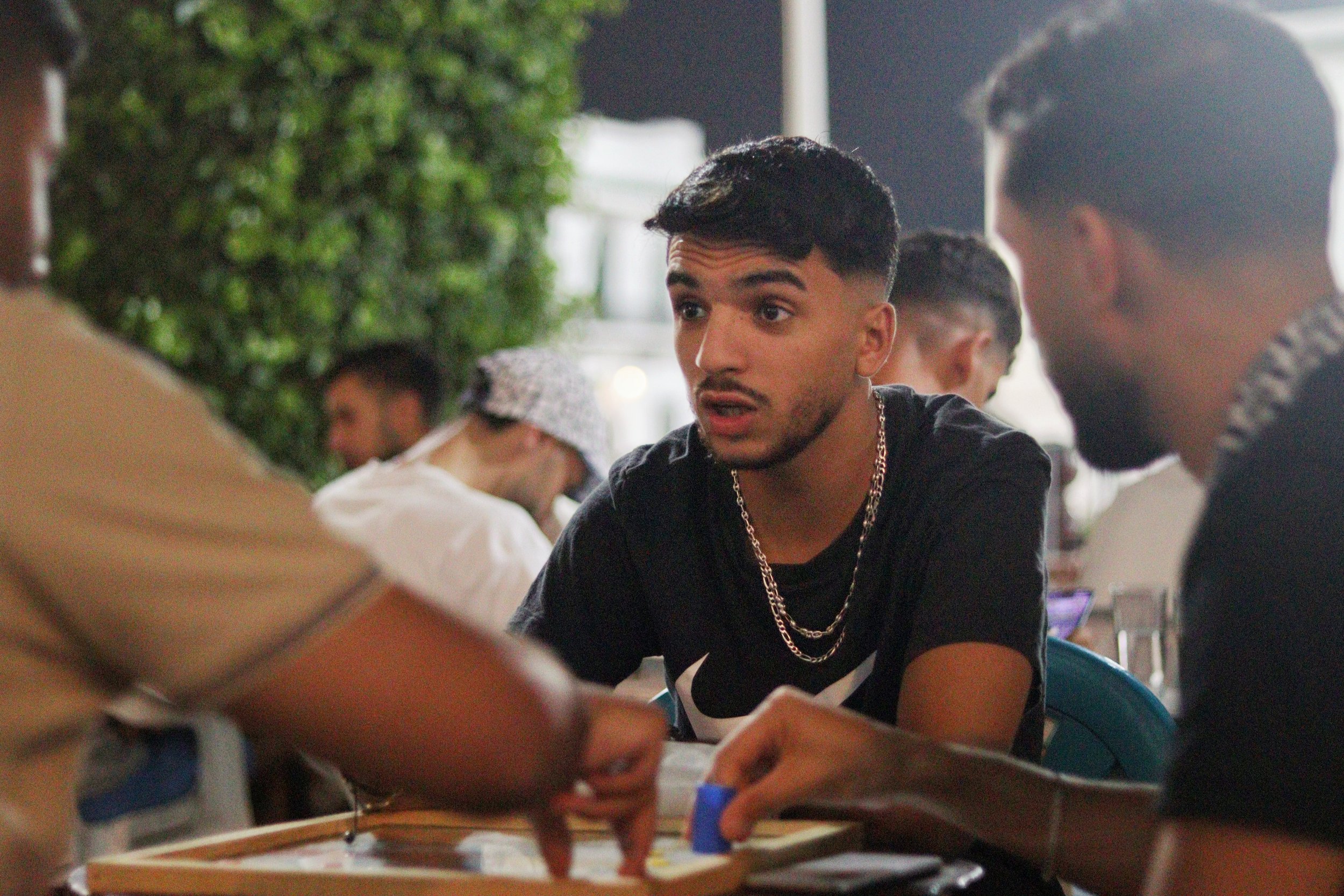
I’m also struggling with street photography in general, and feeling like I’m “stealing” something when I take a picture of a stranger. So I walked up to these two younger guys and asked in Spanish if I could photograph them.
“SURE!” one of them said.
He actually spoke perfect English, his name was Amine. He lives in France and was visiting Tetouan. He was playing with his friend, who was Moroccan and also spoke English.
“Sit with us, please,” he said excitedly. “Try some tea too!” he said, offering me his own glass. “Here, take a snack,” It was a chicken briwat, a Moroccan samosa.
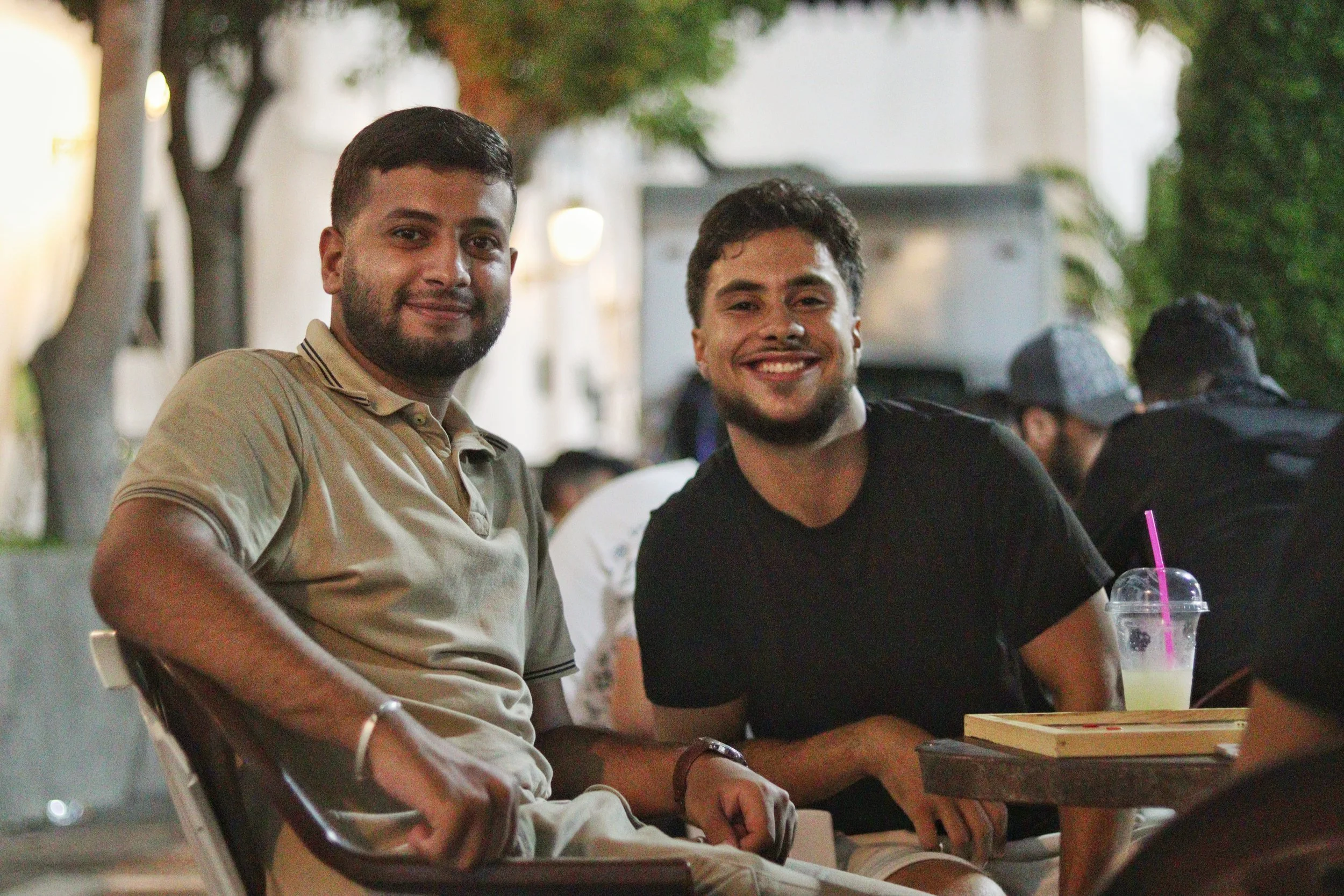
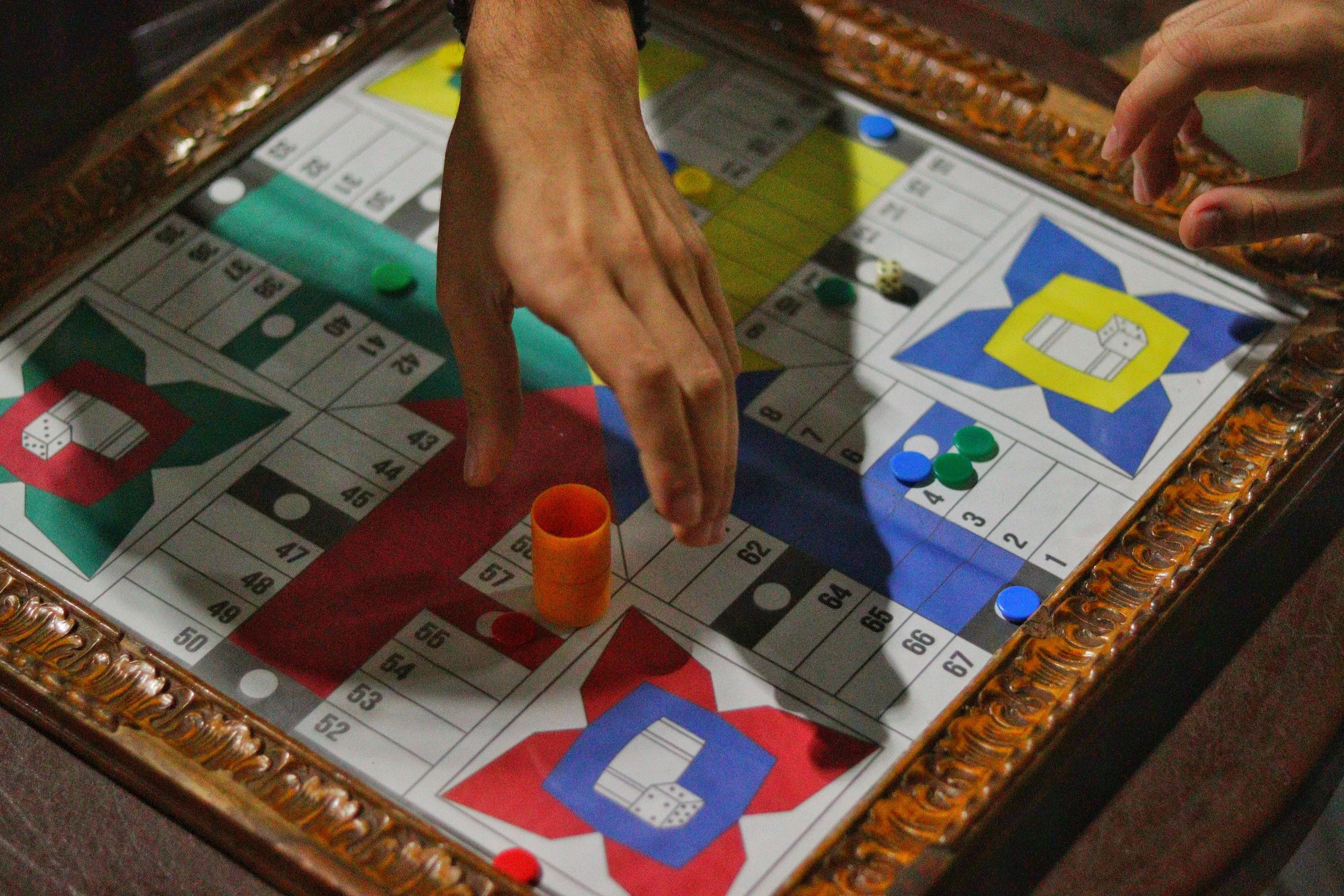
They were playing Lulo, a very simple board game, at this bar that’s one of the most famous for hosting. There must have been over 50 tables, each with four to six men, sometimes eight. I asked if this was some type of tournament. “No, just for play,” he said. I took a bunch of pictures of them, then we connected on Instagram. Amazing, I thought. They’re all here with no alcohol, no women, no stakes, none of the vices—the exact type of fun your parents always hoped you’d be having.
I wandered over to another table, asked if I could photograph them, and was met with similar kindness. It was a group of six Moroccan men, slightly younger than me. We all added each other on Instagram. One of the guys invited me to sit, and later gave me his number, saying that if I need anything at all while I visit, to please call him.
It felt spectacular. It was day five, I’d already taken some cool photographs, but this was the first moment of the trip where I felt like I was taken in. And I couldn’t help but wonder if in America, for a total stranger who doesn’t speak the native language, if that same kindness would be extended at all.
CHEFCHAOEN
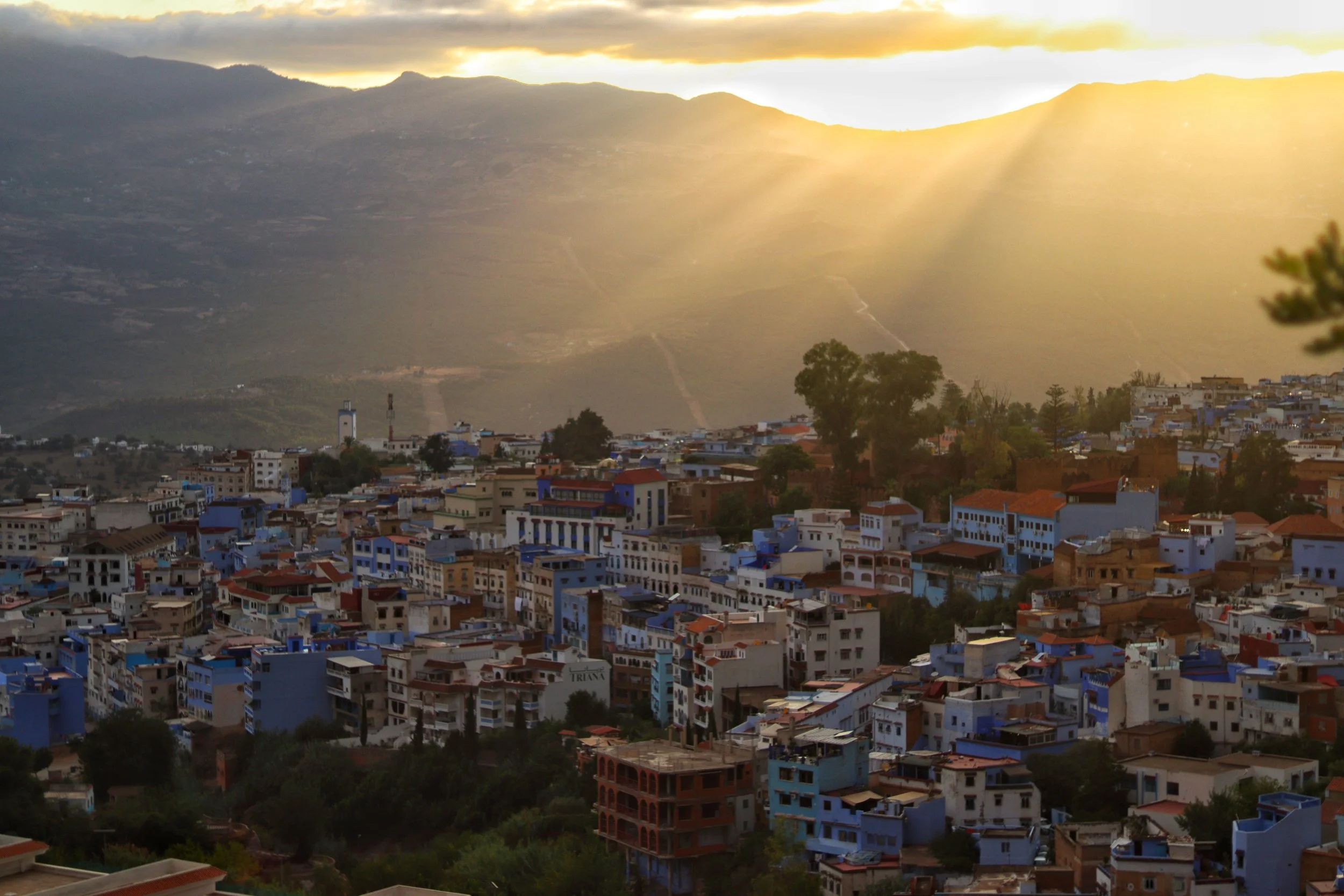
The Blue City. Not the Blue Wall.
I arrived in Chefchaouen, the Blue City, still thinking about Pauline and Antoine and their quest for authencity. It couldn’t have been more fitting, either: The city was painted blue, I was told, for tourists. There wasn’t a religious, or cultural, or strategic reason for it; this dude discovered a blue pigment, told some women about it, and they figured it’d lure fellow travelers.
And here I am.
A part of me felt trapped in their mindset, too. I had that great night in Tetouan, but otherwise, I kept feeling like I was waiting for the real trip to begin. I get frustrated when places contort to fit tourist expectations, and equally judgmental with the seemingly non-curious tourists who visit and Instagram and make it this way.
But the flipside hits me too: Why can’t places modernize? And why can’t others experience it too?
Why do I have to be the only person to visit a place?
Modernization makes life way easier, I must say. Much of it isn’t contorting as much as adapting to the new global economy. And selfishly, I enjoy a level of comfort as I travel. Do I really want adventure? If so, what’s that look like? To me, despite modernization, the world remains different enough. Even with Nikes and iPhones, places still have their own flavors, literally and metaphorically.
Granted, it’s not at the level Pauline and Antoine experienced back in their day—but I grew up in a modernized world. While I’ll always champion the analog, or doing things with a human touch, I relish in and benefit from modern luxuries.
Case in point. I checked into my AirBnB. It’s an old Moroccan guesthouse that’s been retrofitted with cute lamps, decorative books, insulated windows, and above all, air conditioning. And I liked it.
I don’t need to suffer to have adventure—to sleep in heat or lumpy beds, to withstand bumpy bus rides on long dirt roads. Travel has evolved, yet culture remains unique. I can still get the thrills of travel simply by walking the streets of a new city—by photographing new friends, by trying a flavor I’ve never had before.
For me, it’s about curiosity and novelty. As long as these are satisfied, then I am too.
* * *
My main aim in Chefchaouen was this waterfall hike. I had a guide, Yousef, a Moroccan man who lived at the AirBnB. He was around my age and spoke near-perfect English.
The hike was about 40 minutes outside of town. Fortunately, Youssef could handle most of the logistics. It’d be just me and him.
It was a crisp, beautiful morning, the type you dream of. I ate breakfast and met him downstairs. We climbed into a shared taxi. It was me and him in the far back, sandwiched next to an older man, then three people in front of us.
We were midway through the drive. It was about 10:30am, and boy, the coffee was kicking. We were slamming curves and swerving ferociously around this mountain. I would’ve been carsick, but instead, I was having wonderful thoughts.
I mentioned earlier I am in transition. I didn’t just quit my job, I renounced my vocation. I’d been a copywriter for the last eight years, had long felt unfulfilled, and so I stopped. I didn’t come to Morocco to soul search, because I really had this notion that afterwards, I’d become a photographer, or work in documentary.
But I sat in that cab, another thought came instead: what I want most, in my next job, is to make people happy. I want to do something where I can see a person smile in front of me, whether that’s handing them a block of cheese or making them a coffee or scooping their ice cream. And after that, something deeper surfaced for me, something which I’d pushed away many times, which was a desire to teach.
This isn’t new. My first job after college was teaching ESL in Thailand. Towards the end of that chapter, I was scurrying for a career path and I visited a Reiki healer, who told me I am destined to teach. I shoved it away. Teaching, I felt, wasn’t ambitious enough for me, or creative enough. Even in Italy (another soul-searching trip), I saw a naturopath who asked about work, and the vision of teaching appeared as well. It’s even popped up when I was alone, several times, each time with tears at the revelation, and each time I’d explain it away.
This goes back to my Mom and Dad. They are total opposites. My Mom is deeply emotional. She thrives off service, nurturing, community. My Dad is deeply intellectual, and thrives in business, strategy, decision-making. I inherited both sides in different ways, but I always lauded what I got from my Dad. Those are the skills, after all, that lead to greatness: like running a magazine, or being a Creative Director. In other words: being a big deal.
In turn, I rejected those qualities from my Mom. They were great in my personal life, but what good would they do me in the professional world?
I’m not here to say which is right or wrong, or better or worse. Not at all. I’m just realizing which are more honest for me. For a long time I wanted the approval of my Dad, so I went into business. I had to prove to him that I was worthy. Now, I feel I’m embracing my Mom’s qualities, which is to teach.
Teach all year, then travel in the summer, I thought. Sounds wonderful to me.
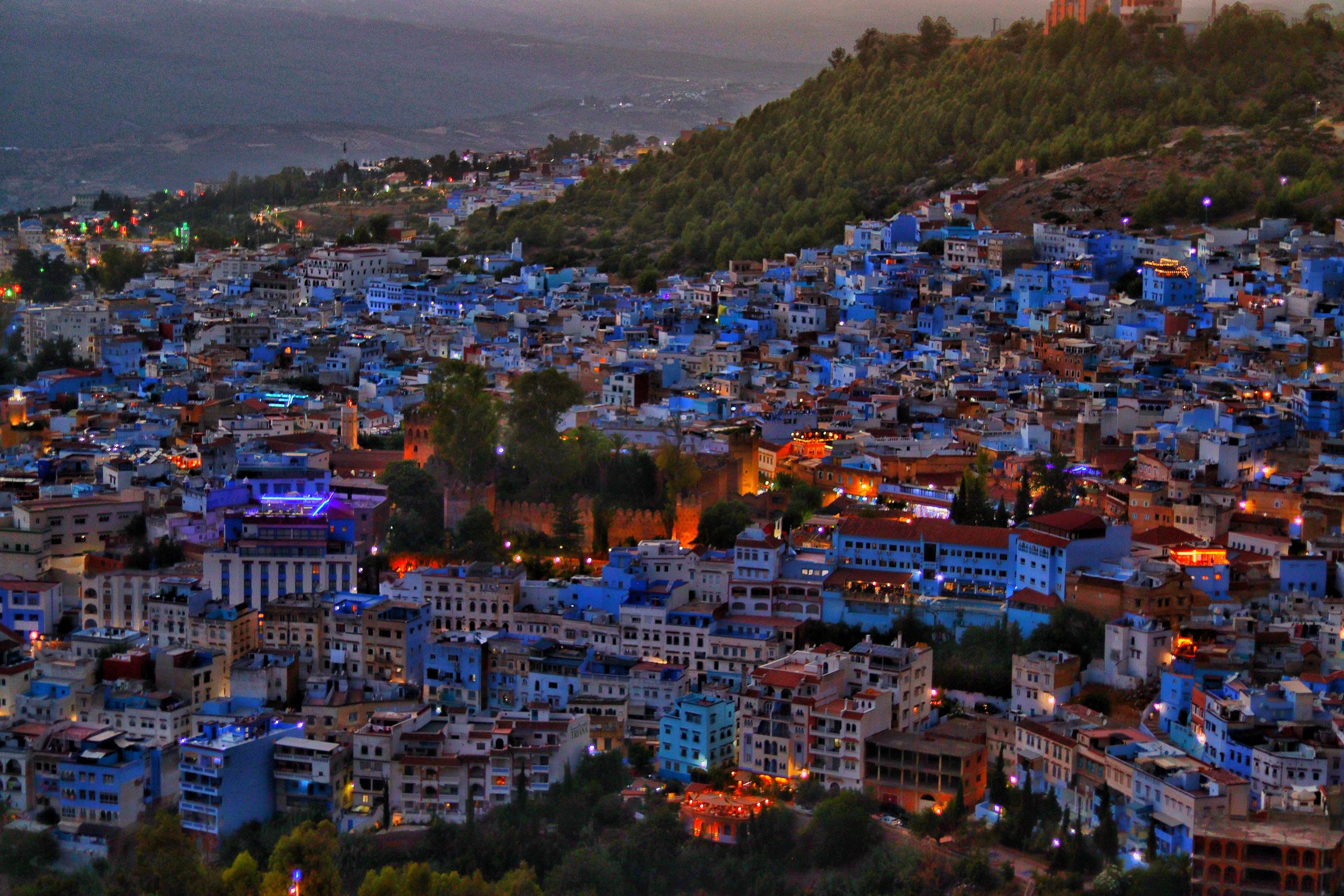
The hike with Youssef was great, though utterly exhausting. He said it was forty-five minutes each way — yet two hours in, I was wondering how he made that estimation. When we finally reached the waterfall, no water was flowing. The scene though was still spectacular. It was also a pleasure spending the day with Youssef, hearing his life story, getting his perspective on Morocco and Muslim culture (“How many gay people do you know?” I asked him. “Twelve,” he said). We stopped at a swimming hole with crustal clear water and ate delicious chicken tagine, the potatoes soaked in chicken juice, the chicken coming off the bone. We also had two water bottles each and were charged nearly double by our eight-year-old waiter. Youssef scolded the kid in Dirija, the kid nodded solemnly. I asked what he said. “I told him, you may benefit from these prices now, but it’s not good for the long run. Customers won’t come back,” he said.
We took the very last taxi back. The back window was open. Arabic music played as we drove mountain roads. The sunset was spectacular. The roads were lined with the most mairjuana plants I’d ever seen—rows and rows, endless. I whiffed marijuana, looked out into the purple and orange sky, took in the music and the passing mosques, and felt that feeling of traveler’s bliss.
The next day I was set to leave. I’d had a few good experiences so far, but something in me still felt incomplete, unfulfilled. I was still hungering for “the real Morocco.”